

The life sciences industry—spanning pharmaceutical and biopharmaceutical manufacturing—is under increasing pressure to deliver operations that are more resilient, efficient, and sustainable. As drug modalities diversify and regulatory expectations continue to evolve, organizations are looking for new ways to reduce variability, accelerate development timelines, and future-proof their manufacturing networks.
Facility-level digital twins are emerging as a powerful enabler of this shift.
By creating dynamic, virtual representations of assets, processes, and workflows, digital twins allow organizations to test decisions before implementing them—reducing risk, improving predictability, and accelerating innovation across the product lifecycle.
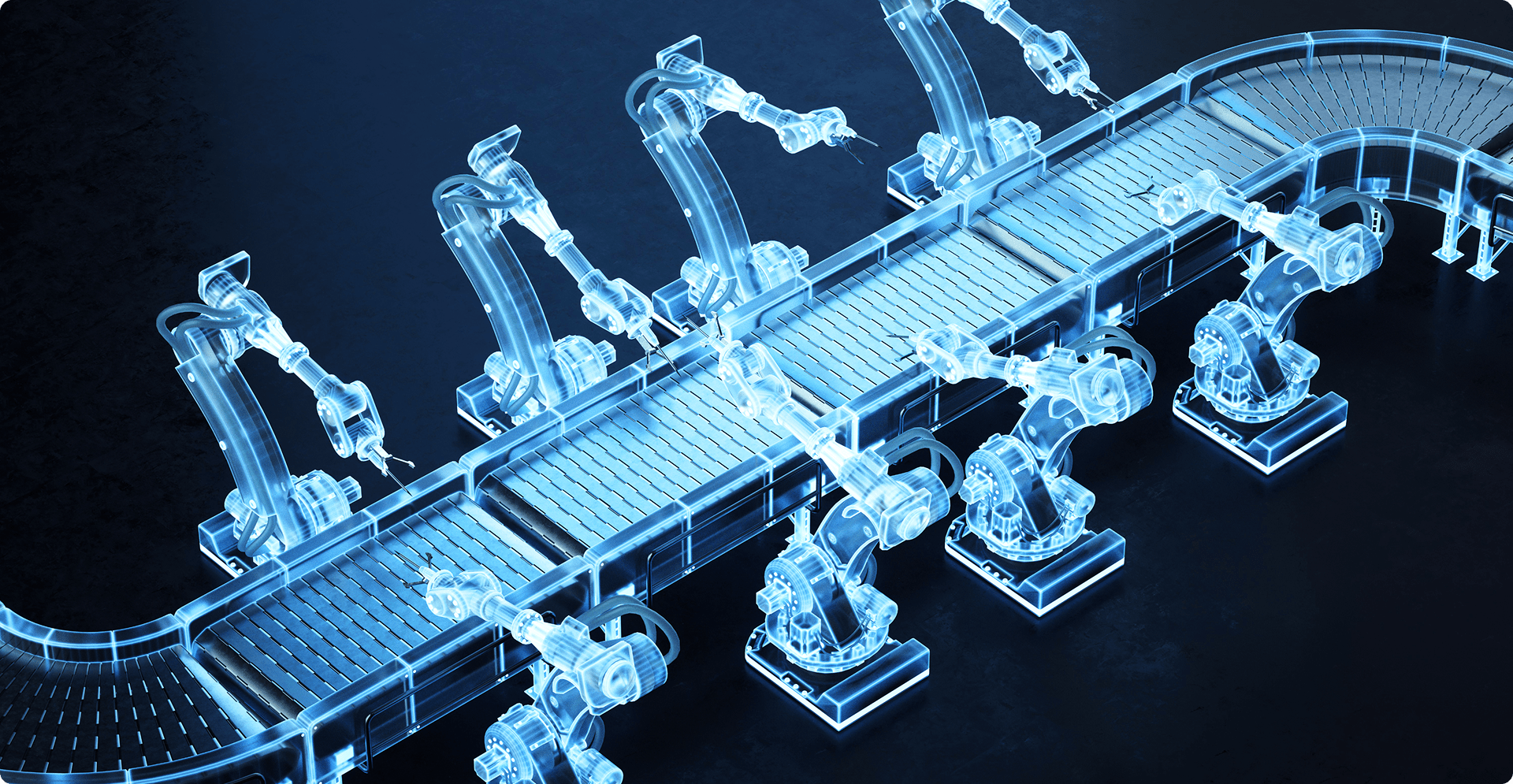
What is a digital twin?
A digital twin is a dynamic virtual representation of a physical system. Unlike static models, it evolves alongside the real-world asset it reflects, using live data to mirror performance and behavior.
In practice, a digital twin brings together three core elements:
- The physical asset or facility
- Data infrastructure that enables continuous data exchange
- A validated virtual model that supports analysis, forecasting, and optimization
What sets a true digital twin apart is its ability to remain continuously connected to the physical environment—providing a live view of operations that supports more informed, timely decision-making.
What digital twins mean for life sciences
In life sciences, where precision, compliance, and reproducibility are critical, digital twins offer a clear strategic advantage.
By reflecting equipment behavior, operator workflows, and process dynamics in real time, they enable teams to simulate scenarios before implementation, monitor performance more closely, and respond proactively to change.
Their applications span a wide range of activities, including:
- Predicting and preventing process deviations
- Optimizing facility utilization and throughput
- Improving process robustness and product quality
- Supporting design space definition and process control
- Strengthening forecasting and operational planning
Rather than relying on static models or historical data alone, digital twins create a live, evolving environment for decision-making—supporting everything from facility optimization to scaling advanced biologics and ATMP manufacturing.
From development to operations: where digital twins add value
While adoption is accelerating in life sciences, the value of digital twins extends across process-intensive, highly regulated industries.
In pharmaceutical and biopharmaceutical environments, they are already being used to:
- Support bioprocess development
- Improve fill-finish reliability
- Optimize laboratory and production environments
- Strengthen process understanding in line with Pharma 4.0 and Quality by Design (QbD) principles
Similar approaches have been applied in areas such as freeze-drying and crude oil distillation—demonstrating their broader relevance wherever complex physical systems must be monitored, simulated, and optimized with confidence.
In life sciences, this means digital twins can connect development-scale experimentation with commercial operations—linking plant data, models, and workflows to enable stronger control, better performance, and greater readiness for future manufacturing demands.
A structured path to deployment
Developing a digital twin requires a structured, methodical approach grounded in process understanding and regulatory expectations.
The journey typically starts with identifying specific operational or business challenges—such as capacity constraints, process variability, or energy consumption—and defining measurable KPIs.
From there, organizations assess available data and select the most appropriate modeling approach:

Empirical models identify patterns in data-rich environments
Mechanistic models provide insight based on process fundamentals
Hybrid models combine both approaches to balance flexibility and transparency
Once developed and validated, these models are integrated with live plant data through systems such as SCADA, DCS, or historians—creating a connected environment for real-time monitoring, forecasting, and optimization.
Data quality and PAT: the foundation of success
A digital twin is only as strong as the data that supports it.
For life sciences organizations, this means ensuring alignment with GxP requirements, robust data governance, and a strong foundation in process analytical technology (PAT).
Advanced sensing technologies—including Raman, mid-IR, and UV-Vis spectroscopy—along with machine learning-enabled soft sensors, provide visibility into critical quality attributes across the process lifecycle.
At the same time, disciplined data engineering practices—such as data cleaning, alignment, and drift detection—help maintain model performance and ensure outputs remain reliable over time.
Turning insight into impact
For organizations investing in more agile, data-driven operations, digital twins deliver both strategic and operational value.
They enable teams to:
- Test decisions before implementation, reducing risk
- Improve predictability with a more accurate, real-time view of operations
- Make faster, more informed decisions
- Increase flexibility while reducing variability and inefficiency
In regulated environments, they also support stronger process understanding, more robust control strategies, and greater regulatory readiness.
Delivering value in practice
At Arcadis, we are already seeing how facility-level digital twins can deliver measurable impact across life sciences environments.
In one case, a digital twin of a laboratory complex enabled teams to visualize operator movement and equipment utilization—highlighting opportunities to improve layout and reduce inefficiencies.
In another, a fill-finish facility applied model-based development to strengthen process reliability and enhance data integrity—supporting both operational performance and regulatory confidence.
These examples show how digital twins can scale from development through to commercial operations, where improvements in throughput, cost, and compliance can have a significant impact.
Getting started: think strategic, act scalable
Successfully adopting facility-level digital twins requires more than technology—it calls for alignment across teams and disciplines.
Organizations should:
- Align initiatives with Quality by Design (QbD) principles
- Apply risk frameworks such as FMEA
- Build cross-functional teams spanning process engineering, data science, IT/OT, and quality
Taking a lifecycle approach is also critical. Digital twins should be treated as evolving assets—continuously updated to reflect changes in processes, data, and regulatory expectations.
Shaping the future of Pharma 4.0
Digital twins are no longer experimental. They are becoming a core capability in the shift toward Pharma 4.0.
By combining model-based development with facility-level digital twins, organizations can build manufacturing networks that are more connected, agile, and sustainable.
The result is not just improved performance—but a stronger foundation for innovation at scale.
To explore how digital twins can support your life sciences strategy, connect with Arcadis for tailored consulting and implementation support.